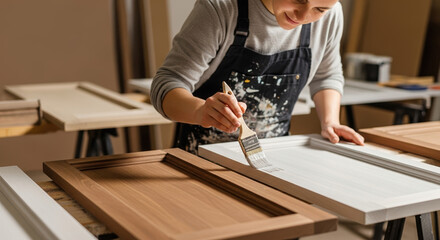
Cabinet Refinishing

Cabinet Refinishing Cost Per Door Explained

San Jose Cabinet Refinishing

Cabinet refacing is usually less expensive than cabinet replacement because it doesn’t require removing and disposing of your old cabinets. However, it still requires proper surface prep to avoid peeling and chipping. Choose a durable finish like satin or semi-gloss, which cleans easily and looks great in any kitchen.

The type of cabinet material you have determines which changes and upgrades are possible. Popular options include staining and painting. Contact San Jose Cabinet Refinishing for more information.

Cost per Lineal Foot

If you’re looking for a cost-effective way to give your cabinets a new look, cabinet refinishing may be the answer. It’s cheaper than refacing and requires less labor. However, there are several factors that impact the final cost. One of the most significant is location. Labor rates vary greatly from region to region, and local costs of living can influence the total project cost. Additionally, additional work like surface repairs or a color change will add to the overall cost of the project. Other factors include the complexity of design, the type of finish, and the materials used.

Refacing is more expensive than refinishing, but it offers a more dramatic result and is better suited for larger spaces. It involves removing the cabinet doors and drawer fronts, treating the existing cabinet boxes, and installing new cabinet hardware and fixtures. The process can take longer than refinishing and is usually more labor-intensive. However, it provides a high return on investment and can significantly increase the value of your home.

A professional painter will typically charge between $3 to $10 per square foot for cabinet refinishing. This price includes the cost of paint, primer, and any other necessary supplies. It also covers the costs of sanding and cleaning the cabinet doors and drawer fronts, as well as any other needed repairs. In addition, a professional will apply a protective varnish finish to the cabinetry. This will enhance the appearance of the cabinets and protect them from scratches and stains.

While cabinet refacing and refinishing are both viable options for updating your kitchen, replacing them is generally the more cost-effective option. The average cost of replacing cabinets is $2,000 to $11,000, and this includes labor and disposal costs. However, refacing can save you up to 70% of this cost and offers a higher return on investment. Moreover, it allows you to customize your kitchen’s layout and design. It can also be done in less time than a full replacement, and you’ll save money on demolition, electrical and plumbing changes, and flooring. For these reasons, many homeowners opt for refacing.

Cost per Door

Cabinet refacing is an excellent way to update your kitchen without the significant cost of a full cabinet replacement. However, it’s important to understand the factors that go into refacing costs so you can plan accordingly. This will ensure that your project stays within budget and you’re not surprised by any unexpected expenses.

Labor costs are the most significant component of any refacing project. Depending on your location, labor rates can vary significantly. Additionally, the type of cabinet materials used can impact costs as well. Low-end materials, like particle board wrapped in thermofoil veneer, tend to be less expensive than premium solid wood doors. But keep in mind that lower-end materials are also less durable, so they will require more frequent maintenance.

Choosing the right paint or stain can also impact your overall costs. High-quality, durable paints are typically more expensive upfront, but they will save you money in the long run by reducing your need for touch-ups. Also, opting for a spray finish will increase upfront costs but will provide a superior finish that’s easier to clean and lasts longer.

When refinishing cabinets, it’s crucial to prepare the surface properly to minimize damage and prolong the life of your new coat of paint. This includes stripping, sanding, and cleaning. It’s usually best to hire a professional for this type of job, as it is time-consuming and labor-intensive. A pro will use a high-quality sander, a professional grade paint sprayer, and other specialized equipment that is not available to the average homeowner.

It takes a pro about 1.5 hours to refinish one cabinet door, so refinishing your entire kitchen would take them around 75 hours on average. This time and labor costs can add up quickly, making cabinet refinishing more costly than other painting projects.

A cheaper option is to only replace the cabinet doors, which is ideal for homeowners who want a new color but aren’t ready for a total overhaul. This process is also faster and more affordable than refacing, but it can be tricky to find matching doors that will fit perfectly on existing cabinet boxes.

Cost per Cabinet

The total cost of cabinet refinishing can vary, depending on the size of your cabinets, type of finish you choose and your local labor rates. For example, labor costs tend to be higher in urban areas. Regardless of your location, it’s important to get estimates from multiple professionals before making a decision. Choosing a pro with experience and good references can help you save money and get better results.

Besides labor, other factors that influence the cabinet refinishing cost per cabinet are the choice of paint or stain and the amount of work required to prep your cabinets. Staining is more time-consuming than painting, and it requires careful sanding to ensure smooth surfaces. The quality of stain also affects the price, with high-quality stains that resist fading and aging costing more than lower-grade options.

Another factor that can increase the cost of refinishing is the addition of custom add-ons like under-cabinet lighting or more elaborate detailing. These features aren’t typically included in your initial refinishing quote, but they can quickly add up. Fortunately, many cabinet refinishing pros offer free design consultations to help you make the best decisions for your new look and budget.

If you’re looking to give your home a fresh, updated look without the high price tag of a full renovation, cabinet refacing is an affordable option. In fact, it costs 78% less than a complete replacement project, on average. And you can usually recoup about 70% to 80% of your investment in the eventual sale of your home. To get started, learn the difference between refacing and refinishing so you can decide which option is right for your space. Then check out our cabinet refacing cost guide for an estimate of how much your project will cost.

Cost per Square Foot

If you want to update your home’s look without the hefty price tag of a major kitchen remodel, cabinet refacing is an excellent option. This cost-effective option can transform your space and add value to your home, but the specific costs vary by project. It’s important to understand the factors that determine the cost of cabinet refinishing or refacing so you can make informed decisions about your remodeling budget.

Cabinet refinishing involves stripping, cleaning, and sanding the existing cabinet doors and drawer fronts before painting them. This process can be expensive and time-consuming, especially if your cabinets are older or have complex design features. For example, raised panels and moldings can be difficult to cover with paint, which increases the cost of your project.

The color and finish you choose also influences the cabinet painting costs. A simple white or satin finish is typically less expensive than high-gloss options. However, a more custom or complex color may require multiple coats and additional surface preparation, which can significantly increase the overall cost.

Another factor is the size of your space. Larger spaces will take longer to refinish, and your contractor will need to charge more per square foot to compensate for the extra labor. Finally, the material and condition of your existing cabinetry plays a role in the final cost. If your cabinets are in poor condition, have a outdated design, or are made of fiberboard or non-wood particle board, you may need to replace them instead of refacing them.

The average cost of cabinet refinishing varies from $4 to $25 per square foot, but the total project cost depends on the size and style of your space, cabinet materials, and hardware. Refacing a small space will typically cost $2,000 or less. Refacing a medium space will likely cost between $4,000 and $9,500. A large space, on the other hand, can cost up to $13,000 or more.
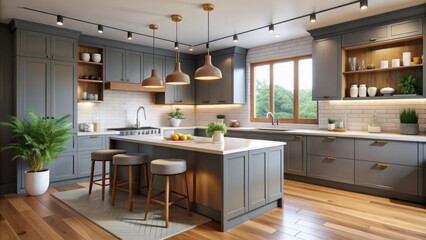
Cabinet Refinishing

How to Choose Between Light and Dark Cabinet Finishes

Cabinet Refinishing Modesto

Dark cabinets come in a range of tones, from a moody navy blue to rich browns and deep greens. With darker stains, the wood grain still emerges and gives the cabinetry a more sophisticated look. Color trends can come and go, but light cabinets are timeless and tend to boost resale value. Light shades also enhance natural and artificial light, visually expanding a small kitchen.

Versatility

Cabinet Refinishing Modesto works beautifully with a range of design styles. From traditional to contemporary, a rich navy or warm slate grey will provide a strong foundation that can support a variety of decor themes.

In addition, darker shades hide fingerprints and scuff marks a little better than light ones. This makes them a great option for busy families who want to keep their kitchen looking fresh. Dark cabinet colors are also a good choice for large spaces, as they can help make the room feel intimate and cozy instead of sterile or cold.

Despite their popularity, light cabinet colors don’t have the same timeless appeal that many homebuyers look for in kitchens. Choosing the right color is a huge decision that can impact your kitchen for years to come, so it’s important to think about how your choices will affect resale value before making a final selection.

While white cabinets have long been a staple for homeowners and designers alike, the current trend toward Euro-style designs has led to an increased demand for lighter shades of wood as well. Popular options include white oak, birch and ash. These natural woods have a lighter appearance without the need for stain, but when they’re stained they’ll draw on their underlying hues and create a more vibrant shade.

Lighter shades of kitchen cabinets offer a clean and classic look that blends well with many decor styles. They’re also a great option for smaller rooms, as they can give the illusion of additional space and make a small room feel more open.

When used sparingly, light cabinets can create a visually dynamic and interesting space. They’re also a great way to highlight darker countertops, backsplashes and accessories. However, if they’re used too abundantly, a kitchen can easily overpower with too much light.

It’s a good idea to assess the size of your kitchen, how much natural light it receives and your overall design aesthetic before selecting the right cabinet color for your space. However, many designers are now opting for a more flexible approach and using both light and dark cabinetry in their projects to create a balanced and visually interesting space.

Maintenance

Light cabinets show dirt, smudges, and fingerprints more easily than dark finishes, which makes them require a little more frequent cleaning. But with a little effort, you can keep your kitchen looking fresh and clean. It’s important to choose a cabinet finish that complements your kitchen’s style and lifestyle. Consider your cooking habits, household composition (including children and pets) and how often you like to entertain.

Stained cabinets showcase the natural beauty of wood and are a great option for traditional and rustic-style kitchens. A dark stain highlights the wood’s pronounced grain texture and adds warmth and visual depth to your kitchen. Stains are available in a wide variety of rich and classic colors, making them a great choice for homeowners who want to create a sophisticated look.

Dark finishes hide scratches, dents, and everyday wear and tear better than painted or laminate finishes. This makes them an excellent choice for busy households and families with small children who tend to be rough on their furniture. But they can also make a room feel cold and uninviting, unless the color is carefully balanced with warm accents and textures.

It’s important to note that stains can pull some of the underlying color from lighter wood species like white oak and birch, so they may appear slightly darker and more colorful after application. However, this can be mitigated by choosing a lighter stain that highlights the natural wood texture and doesn’t overly cover the grain.

Whether your cabinets are stained, painted, or made of plastic/laminate, you can protect them from damaging exposure to direct sunlight by covering them with curtains, using window shades, or moving your appliances to the opposite side of the kitchen. Avoid exposing your cabinets to harsh cleaners or abrasive pads as these can dull fine finishes. Instead, mix mild dish soap or wood cleaner with water and dampen a soft cloth or sponge. Use the cloth to wipe down your cabinets, being careful not to over-saturate them and to remove any excess moisture.

Aesthetics

As a design decision, choosing light or dark cabinets has far-reaching implications. Whether you’re a homeowner reimagining your dream kitchen or a business owner upgrading a commercial space, it’s important to weigh all factors—from maintenance requirements to resale value and ambiance.

With its timeless appeal, a light-colored kitchen offers versatility to suit a variety of styles. Shades like white, cream, soft grays and beiges complement a wide array of countertops, backsplashes, flooring materials and other cabinetry. The key to coordinating these elements is to choose hues that reflect natural lighting and work with the surrounding ambiance, rather than mimicking it directly.

Light shades also tend to offer more visual texture. Their sleek, matte finishes add a subtle elegance while allowing the wood grain to subtly emerge. They also pair exceptionally well with metallic finishes. Brushed nickel and chrome add a touch of modern sophistication, while oil-rubbed bronze enhances classic designs.

Moreover, light-colored surfaces are less likely to date over time, offering longevity and resale value. However, they may show dirt, stains, and fingerprints more readily, demanding more regular upkeep to maintain a pristine appearance.

On the other hand, dark cabinets deliver dramatic contrast and a luxurious feel. Unlike white surfaces, they can hide dirt and grime relatively easily—making them ideal for high-traffic spaces or households with young children. Their bold aesthetic can be overpowering if not properly coordinated with other design elements, or if they don’t have sufficient natural light. They can also create a moody atmosphere that feels heavy and claustrophobic without the help of softer tones and warm accents.

Space

The color of your cabinets plays a significant role in the way your kitchen looks and feels. It affects how large the space feels, how much light it receives, and your overall design aesthetic. Light and dark cabinet colors each have their own unique advantages but it’s important to consider your kitchen’s size, lighting conditions, and your personal preferences when choosing a color for your cabinets.

Light-colored cabinets offer a fresh, airy feel that brightens small spaces and can make them appear larger. They also work well in larger spaces where they can create a warm and cozy ambiance. However, keep in mind that light-colored cabinets show dirt and stains more easily so may require more frequent cleaning.

Dark cabinet finishes add a dramatic, sophisticated look to any kitchen and can elevate the feel of luxury. They can also hide scratches, scuffs, and wear more effectively than lighter-colored options so are ideal for busy households. However, they can create a cold, clinical feeling to a space if not properly balanced with warm accents and materials.

It’s important to weigh the pros and cons of each option to determine what will best suit your kitchen’s size, lighting conditions, personality, and maintenance requirements. When designing your kitchen, choose the colors that will complement the countertops, backsplash, flooring, and other accessories you select. Mixing different shades and finishes can also create visual interest with contrasting tones and textures.

One final consideration when selecting your cabinet color is how long you plan on staying in your home. Trendy colors may not hold up well when it comes time to sell and could potentially depreciate the resale value of your home. Stick to neutral or classic tones when selecting your cabinet color if you’re concerned about future resale value.

If you’re unsure of which option is better for your New York home, consult with a professional to explore the possibilities and create a visually-balanced and functional kitchen that’s perfect for your lifestyle. At US Kitchen Cabinet, our experienced designers will help you navigate your options to find the right cabinets for your needs and budget.