Most homeowners expect to see the occasional insect or spider indoors, especially during seasonal weather changes. However, recurring pest activity or multiple warning signs often indicate a much larger problem hidden behind walls, under floors, or in the attic. Many pests reproduce quickly and remain out of sight until the infestation has grown significantly, making early detection one of the most important parts of protecting your home. Recognizing the warning signs allows homeowners to seek professional pest control before the damage becomes more extensive and expensive. Understanding what to watch for can help prevent property damage, health concerns, and long-term infestations. Contact your local Pest Control Port St Lucie professionals for more information.
Why Is It Important to Recognize Pest Problems Early?
Pests rarely disappear on their own once they have established themselves inside a home. Insects and rodents are constantly searching for food, water, shelter, and safe places to reproduce. Once they find favorable conditions, their populations can increase rapidly without homeowners noticing until obvious damage appears. Addressing pest problems early helps reduce the amount of treatment required while preventing additional structural damage. Quick action usually results in faster and more effective pest control.
Early intervention also helps protect the health of everyone living in the home. Certain pests leave behind droppings, nesting materials, bacteria, and allergens that may affect indoor air quality and contaminate food preparation areas. Others can damage electrical wiring, insulation, wood framing, or stored belongings while remaining hidden from view. Routine inspections and prompt treatment reduce these risks before they become major concerns. Prevention is always easier than managing a widespread infestation.
What Are the Most Common Warning Signs of a Pest Infestation?
One of the clearest signs your home needs professional pest control is seeing pests regularly rather than occasionally. Repeated sightings of ants in the kitchen, cockroaches in bathrooms, rodents in the garage, or termites near wooden structures often indicate that a larger population is already established somewhere on the property. While a single insect may enter accidentally, recurring activity usually suggests an active infestation that requires further investigation. Frequent pest sightings should never be ignored. Professional inspections help determine the true extent of the problem.
Other warning signs include droppings, gnaw marks, shredded nesting materials, damaged food packaging, grease trails along walls, and unusual scratching noises inside ceilings or wall cavities. Homeowners may also notice foul odors, musty smells, or insect wings near windows and doors. These signs often appear before large numbers of pests become visible. Paying attention to these early clues allows treatment to begin sooner. Careful observation plays an important role in successful pest management.
Which Signs Usually Require Immediate Professional Attention?
Some pest problems require faster action because they may indicate significant structural damage or health concerns. Visible termite mud tubes, hollow-sounding wood, unexplained wood damage, or swarms of flying termites suggest that termites may already be affecting the structure of the home. Rodent droppings in kitchens or pantries also require immediate attention because of the potential for food contamination and rapid population growth. Prompt professional treatment helps limit further damage. Delaying repairs often increases restoration costs.
Sewage odors caused by pests, recurring cockroach activity during daylight hours, or frequent rodent sightings may also indicate that the infestation has become well established. Many pests avoid human activity and remain hidden, so seeing them regularly often means their populations have grown beyond their normal hiding spaces. Immediate evaluation helps identify nesting areas and determine the most appropriate treatment plan. Early professional intervention provides better long-term results. Fast action protects both the home and its occupants.
How Do Property Damage and Unusual Noises Indicate Pest Activity?
Property damage often provides valuable clues that pests are active even when they are rarely seen. Rodents commonly chew electrical wiring, insulation, wood, cardboard, and plastic as they search for food or build nests. Small holes in walls, damaged food containers, shredded paper, or unexplained bite marks on stored items may all suggest rodent activity. These signs should be investigated before additional damage occurs. Structural damage can become expensive if infestations continue unchecked.
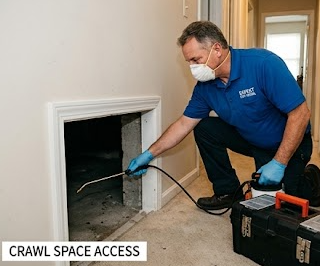
Unusual noises inside walls, ceilings, attics, or crawl spaces are another common warning sign. Scratching, scurrying, chewing, or light tapping sounds often become more noticeable during the evening because many pests are nocturnal. While some household noises are normal, repeated sounds coming from the same location deserve further attention. Professional inspections help determine whether rodents, insects, or other pests are responsible. Identifying hidden activity early supports more effective treatment.
How Can Homeowners Reduce the Risk of Pest Infestations?
Preventive maintenance is one of the most effective ways to reduce the likelihood of pest problems developing in the first place. Keeping food sealed, cleaning spills promptly, disposing of garbage regularly, and eliminating standing water remove many of the resources pests need to survive. Repairing leaking pipes and maintaining proper ventilation also reduce excess moisture that attracts many insects. Good housekeeping supports every professional pest management program. Daily habits make a noticeable difference.
Exterior maintenance is equally important for preventing pest entry. Sealing cracks around windows, doors, utility penetrations, and foundations limits access points for insects and rodents. Keeping shrubs trimmed away from the home, cleaning gutters, removing yard debris, and storing firewood away from exterior walls also reduce potential nesting locations. These simple improvements make the property less attractive to unwanted pests. Prevention begins outside the home as well as inside.
Why Is Professional Pest Control More Effective Than Waiting?
Many homeowners wait until pest activity becomes severe before contacting a professional, but delaying treatment usually allows infestations to become larger and more difficult to eliminate. Hidden nests continue growing while pests spread throughout the home, increasing both treatment complexity and repair costs. Professional pest control addresses not only the visible pests but also the underlying conditions that allowed the infestation to develop. Comprehensive treatment provides more reliable long-term protection. Early intervention often saves both time and money.
Professional inspections also identify problems that homeowners may overlook during routine cleaning. Moisture issues, hidden entry points, structural gaps, and developing infestations can often be detected before obvious warning signs appear. Technicians use their knowledge of pest behavior to develop treatment plans that target the source of the infestation rather than only the visible symptoms. This proactive approach reduces the likelihood of recurring pest problems. Long-term prevention is one of the greatest benefits of professional pest management.
How Can Homeowners Know When It Is Time to Schedule an Inspection?
Scheduling a professional inspection is recommended whenever homeowners notice recurring pest activity or several warning signs appearing together. Even if the infestation appears small, professional evaluation provides valuable information about the type of pest, the extent of the problem, and the most effective treatment options. Waiting for pests to disappear on their own often allows populations to continue growing unnoticed. Prompt inspections provide greater confidence while protecting the home’s structure. Early diagnosis supports successful long-term pest management.
Regular preventive inspections are also beneficial for homes that have experienced previous infestations or are located in areas with high pest activity. Seasonal changes, nearby construction, landscaping, and weather conditions all influence pest behavior throughout the year. Ongoing monitoring allows small problems to be addressed before they become serious infestations. Routine inspections remain one of the most effective forms of preventive pest control. Consistent monitoring protects the home year-round.
Final Thoughts
Recognizing the signs your home needs professional pest control can help prevent small pest problems from becoming costly infestations. Frequent pest sightings, droppings, unusual noises, damaged food packaging, nesting materials, foul odors, structural damage, termite activity, recurring infestations, and unexplained increases in pest activity are all warning signs that should not be ignored. Early professional inspections, combined with regular home maintenance and preventative care, provide the best opportunity to protect your home from insects and rodents. Taking action as soon as these warning signs appear helps preserve your property’s value while creating a cleaner, healthier, and more comfortable living environment.